
TSMC reportedly pauses shipments to Chinese designers after U.S. export rules flag decade-old 16nm and 14nm nodes
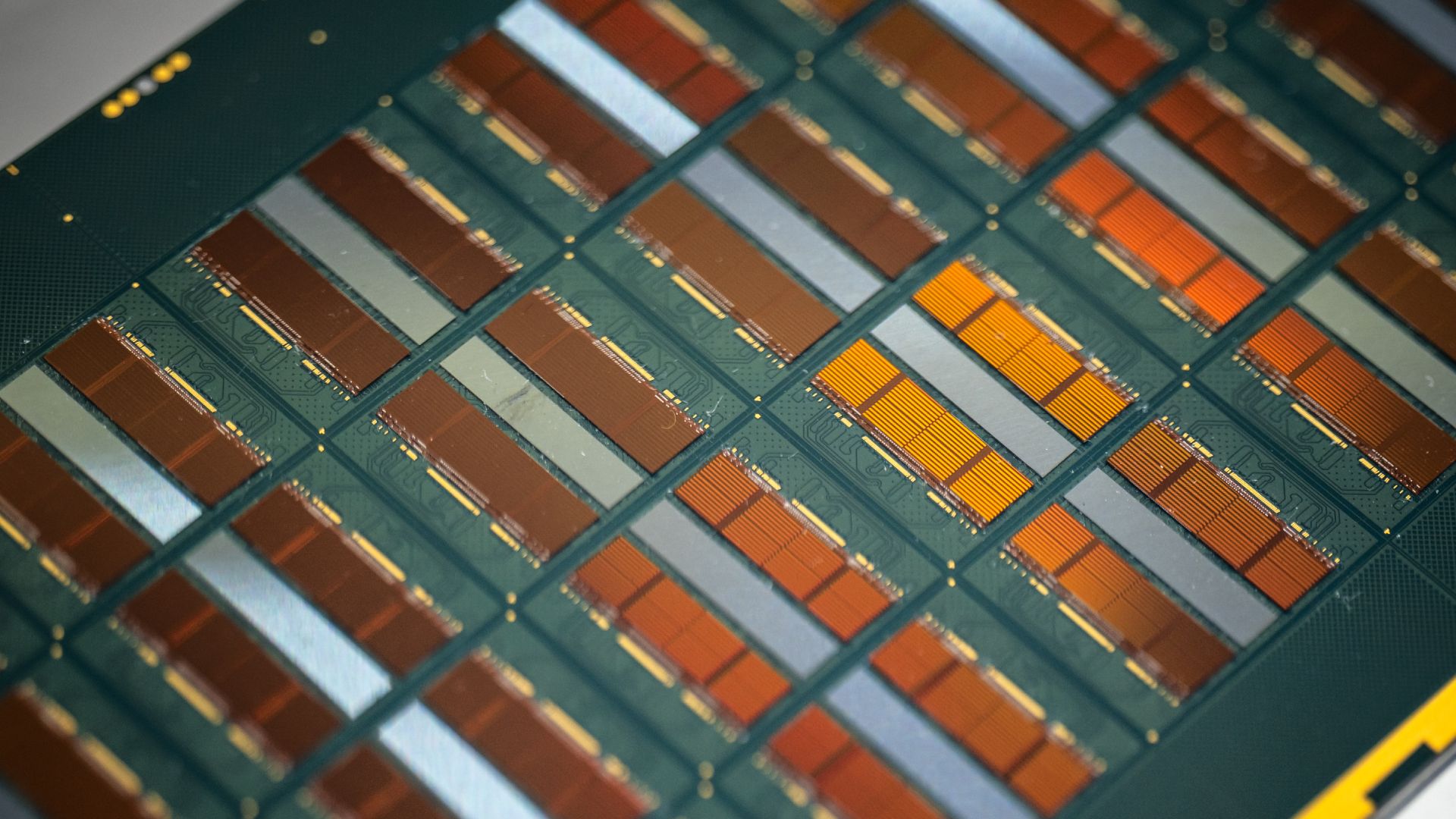
The BIS's IFR says that chip fabs can no longer assume a design's performance based on the specifications provided by their customer.
The U.S. Bureau of Industry and Security (BIS) has released an interim final rule (IFR) [ PDF ] that will prevent Chinese AI companies from leasing data compute outside of China to access advanced U.S. chips like Nvidia Blackwell AI GPUs. However, Nikkei Asia reports that the new regulations have also affected foundries making chips for consumers and the automotive industry, as TSMC has put several shipments to both Chinese and non-Chinese chip designers on hold as it reviews their compliance with the changes to U.S. Washington’s previous export controls only focused on high-performance AI chips like Nvidia’s Blackwell and upcoming Vera Rubin chips. The new rules expand it to include all chips, with front-end fabricators (chip foundries) or OSATs (outsourced semiconductor assembly and test companies), also known as packaging and testing companies, required to assume that semiconductors with a 16nm or 14nm node are automatically classified as export-controlled advanced computing chips. The ruling even mentioned that even if the designed chip has less than 30 billion transistors and has no HBM, it cannot be assumed that the chips aren’t built for high-performance computing. The 16nm and 14nm nodes have been around for around 10 years now, and they could even be found inside consumer devices like smartphones and TVs, as well as in automotive applications. This new rule means that designers making chips using 16nm or newer nodes, even if they’re not specifically built for data centers, must secure documentation from an approved designer certifying the chip’s Total Processing Performance or performance density if they want to avoid additional scrutiny from the fab. "The new rule is very strict this time, and the affecting scope is far beyond only chips for data centers but covers smartphone processors, autonomous driving and other types of chips for consumer electronics as well as others if they are using nodes that are 14nm or 16nm or more advanced tech," a source told
Verified Source Intelligence
Tom's Hardware
TSMC reportedly pauses shipments to Chinese designers after U.S. export rules flag decade-old 16nm and 14nm nodes
Read on Tom's Hardware